


100% human insights · AI in daily life · 11 countries

Really know your audience.
Not the internet's version of them.

Your next campaign, launch or AI feature deserves better than a chatbot's average of the web. Kinmat answers your questions with what real people said in real interviews across 11 countries, about how AI is entering their money, health, food, work and relationships. Every answer shows who said it. None of it is in your competitor's ChatGPT.

Introductory access for marketing teams · $3,000 per quarter · whole team, no seats

Interviews by senior researchers from the UX Alliance network. 20 years of fieldwork, Fortune 500-tested

A young woman in a corner shop, with Kinmat's hand-drawn swirls
11countries in the pilot study, researched in-market
100%human. Every answer from a recorded conversation
20+years of fieldwork behind the method
0per-seat fees. Your whole team gets to ask
The Paradox

Knowing got faster.
It also got generic.

Ask any chatbot how people feel about AI and you'll get a confident answer in seconds. It's the same answer your competitors got, scraped from the same internet. Kinmat is what's not on the internet: 100% human conversations, recorded by researchers in the markets you sell to. Decide with something they can't copy.

Shortcut #1

The answer everyone gets

ChatGPT, Gemini and Copilot summarize the web. So does your competitor's. Whatever edge it gives you, it gives them too. And sometimes it just makes the quote up.

"ChatGPT hallucinated and produced fictitious quotations when we tested it."UX researcher, on Reddit

Shortcut #2

The study you buy once a year

A single agency study runs $25–65K, takes 6–12 weeks and covers one market. So research happens once a year. Campaign decisions happen every week.

"They wanted over $700K a year from us. We didn't renew."Insights lead, on a research platform
Shortcut #3

The survey that says what, never why

Panels give you percentages. They don't tell you why someone trusts an AI with their meals but not their money. Or who was actually on the other end.

"The results were from people 'pretending' to be our target audience."Research lead, on a panel tool
100% human

Not a figure of speech.
A method.

Every answer Kinmat gives you exists because a researcher sat down with a person, in their own country and language, and listened. That's the whole supply chain.

  1. A real person, recruited in their own market by a researcher who lives there, not a professional respondent on an online panel.
  2. A real conversation, in depth, moderated by a senior researcher trained to hear what people mean, not just what they say.
  3. A recorded transcript, coded by hand, so every theme traces back to the exact moment someone said it.
  4. An answer that shows all three. Who, where, when, and the verbatim. Check it yourself.

No synthetic users. No scraped forums. No AI-written quotes. If the conversations don't hold an answer, Kinmat tells you "we don't know that yet", and it goes on the list of things to ask next.

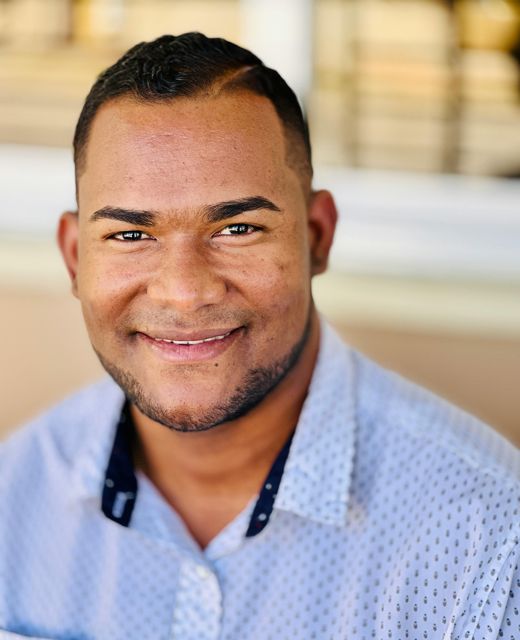
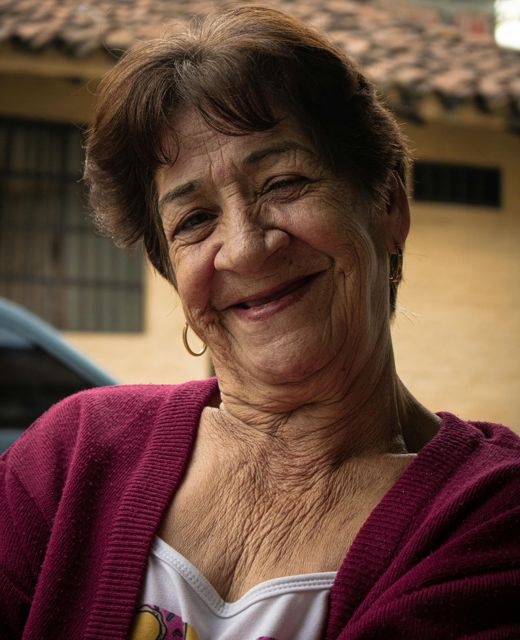
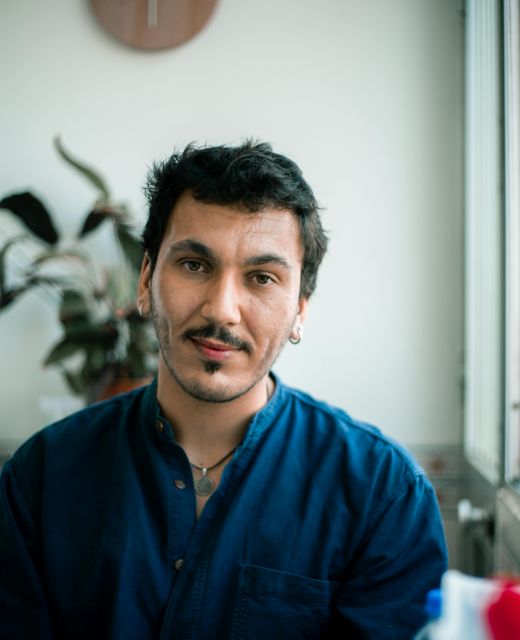
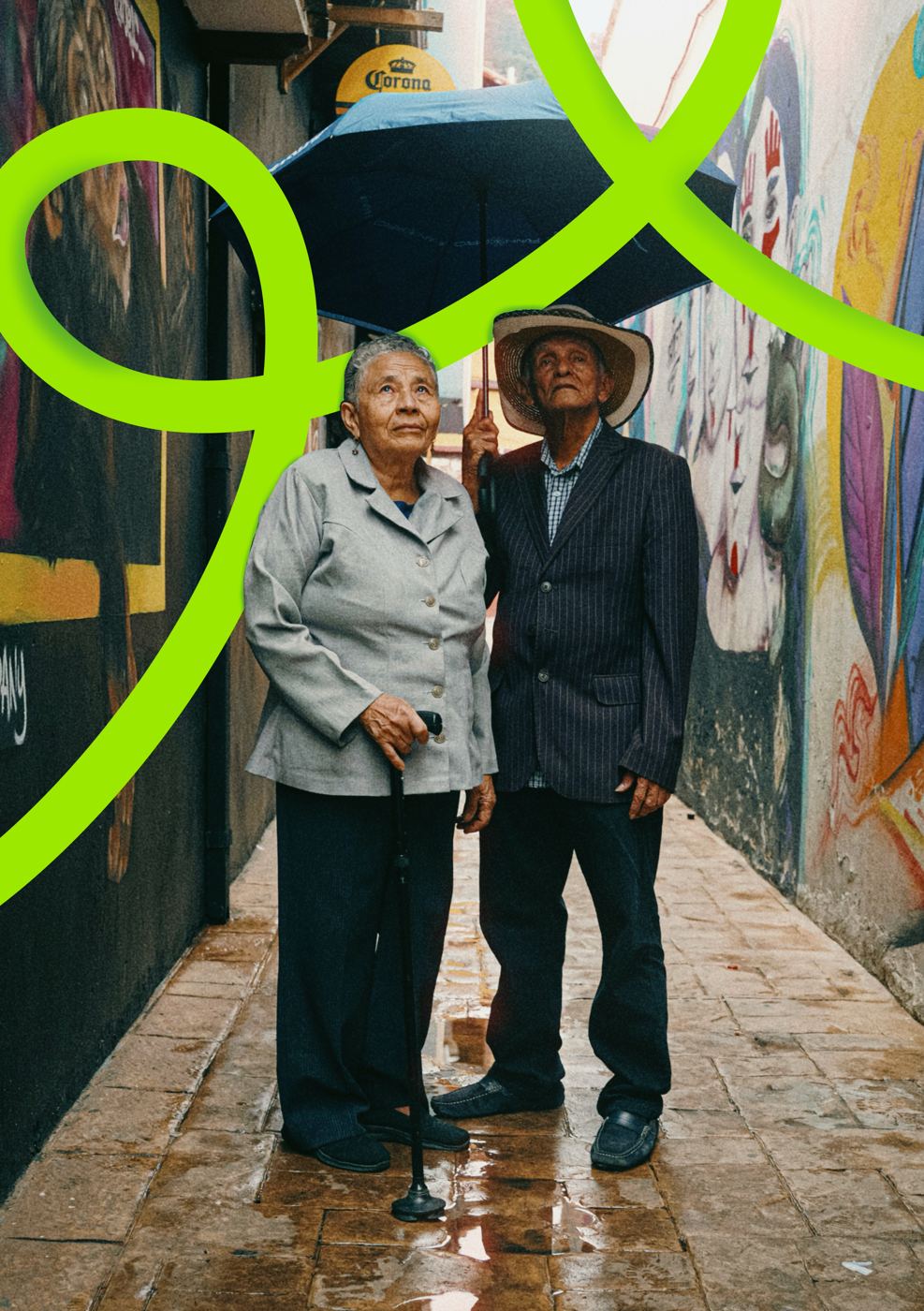
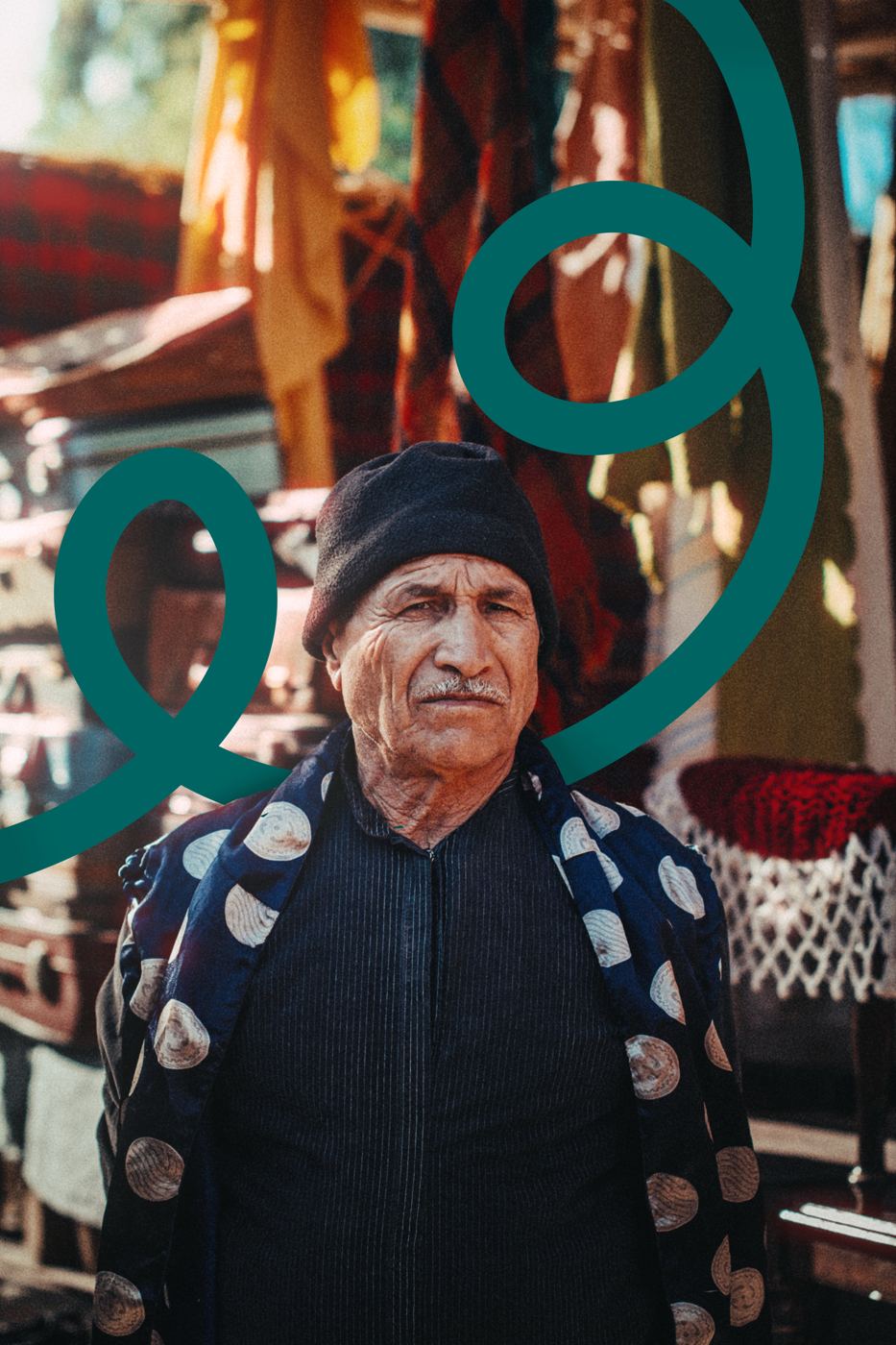
Illustrative photography. Participants' identities and recordings are never shown. That's part of the deal we make with them.
What's inside

One living study.
Everything your audience is doing with AI.

Kinmat starts with one deep, ongoing study, AI in daily life, run in 11 countries by researchers who live there. New conversations keep entering it, and more studies are being scoped. You ask it by theme, by country, by moment in someone's day.

The jobs people hand to AI

Budgeting, meal planning, health questions, homework, work drafts. What gets delegated first, and what never does.

"What do people already trust AI to do for them?"

The limits people draw

Money, kids, health, their face, their data. Where the line sits, and how it moves by country.

"Will they accept an AI in our checkout?"

The gains they'd fight to keep

What AI gave people that they now consider theirs. The wins your product can build on instead of promising.

"What should our AI feature actually promise?"

The pains nobody puts in a survey

Where it fails them, embarrasses them or makes them feel watched. Said out loud, to a person, in their own words.

"Why did the last 'smart' feature flop?"

The mental models

What people think AI is, who they think it works for, and how that changes what your message means to them.

"Does 'AI-powered' help or hurt in Germany?"

Your brand & category

Where your brand, your competitors and your category show up unprompted in these conversations, and what people ask AI to do with them.

"Is our brand in the AI conversation at all?"

11 countries, one protocol. The same questions, asked the same way, in every market, so when the answer differs between Mexico City and Berlin, you know it's the people, not the method.

Bring your question
How answers look

Insights you can walk
into a meeting with.

Not "Participant 3 said". Every answer arrives as a conclusion, what it means for your brand, and the receipt behind it, so the person who never reads research can act on it, and the person who does can check it.

Limits

People let AI into their kitchen long before their wallet.

What it means for youIf you're launching AI in money or health, borrow trust from the low-stakes chores people already delegate. Don't ask for it cold.
"I'll let it plan my week. I won't let it touch my savings."Sofía, 31 · Bogotá · conversation →
"For health I read what it says, and then I call my sister."Kenji, 44 · Tokyo · conversation →

STRONG 14 conversations · 6 countries · newest Aug 2026

Mental models

"AI-powered" means convenience in some markets and surveillance in others.

What it means for youOne global claim won't survive 11 markets. Lead with the outcome everywhere, and localise the reassurance.
"If it says AI, I assume it's watching me and selling it."Lena, 38 · Berlin · conversation →
"AI means I don't have to queue. That's all I care about."Mariana, 34 · Mexico City · conversation →

STRONG 22 conversations · 9 countries · newest Aug 2026

Your brand

People ask AI to compare brands, then repeat whatever it answers.

What it means for youYour presence in AI answers is now part of your funnel. Know what it says about you, and what people do with that.
"I asked it which bank to pick. It named three. Mine wasn't one."Amara, 37 · Lagos · conversation →
"I don't Google anymore. I ask, and I trust the first thing it says."Caio, 26 · São Paulo · conversation →

EMERGING 9 conversations · 5 countries · newest Aug 2026

Ask, then decide

Bring the decision.
Get the research's answer.

"We're deciding X. What does the research say?" That's the whole interface. Type it in plain language and get the conclusion, the receipts, and an honest "we don't have that yet" when it's true. No report to read first. No researcher required.

Your context

Tell Kinmat about your brand once (category, markets, what you're deciding this quarter) and every answer lands on your business, not on "consumers in general".

Category: retail bankingMarkets: MX · CO · ESDeciding: AI assistant in-appCompetitors: 3 named

We're adding an AI assistant to our banking app in Mexico. What should it never do on day one?

⌕ Reading your context · 17 conversations match · Mexico, Colombia · banking, money, limits

Three lines it shouldn't cross on day one:

1 · Don't move money on its own. People want it to explain, compare, remind. Not act.

"It can tell me I'm overspending. It cannot decide what to pay."Diego, 29 · Guadalajara · conversation →

2 · Don't pretend to be a person. A bot that says it's a bot keeps trust. A disguise loses it.

"I don't mind talking to a machine. I mind being lied to about it."Valentina, 41 · Bogotá · conversation →

3 · Don't ask for more than the job needs. Every extra permission reads as a data grab.

Not in the conversations yet: how people feel about voice instead of text. Added to the next round.

Two people looking at a phone together, with Kinmat's hand-drawn lime swirl
Your ChatGPT / Claudeconnected to Kinmat
Draft the AI-feature messaging for Spain. Use only what the research supports.
⌕ Searching Kinmat… 9 conversations · Spain · gains, mental models
Leading with time saved, not intelligence. That's what Spanish participants value and trust:
"I don't need it to be smart. I need my Sunday back."Lucía, 27 · Valencia
For your team

Works where your
team already works.

Marketing doesn't live in a research tool. So Kinmat works two ways: ask it a question, or hand it the work you already have. And it travels as a link and as a source your own AI can read.

  • Ask in Kinmat, or connect your ChatGPT, Claude or Copilot. It answers from the conversations, with citations, or says it can't
  • Hand it your deck, brief or concept. It reads it slide by slide and tells you what the conversations support, what they contradict, and which quote to add.
  • Every answer is a link. Paste it into the brief, the deck, the Slack thread. The receipts travel with it.
  • Pin the questions behind a decision. When new conversations change the picture, you hear about it.
  • Your whole organisation, one flat price. Brand, insights, product, agency. No seats to ration.
Introductory access

One study.
Your whole team.
One flat price.

We're opening the AI in Daily Life study to a first wave of marketing and insights teams. No seats, no report to wait for, no six-figure retainer. Access to the living study and everything it can answer, from day one.

Not sure yet? Book a 20-minute walkthrough and bring a real question. You'll see it answered with receipts before you decide.

Pilot · first wave

AI in Daily Life · full access

11 countries · one protocol · growing every month

$3,000per quarter

Flat for your whole organisation. Introductory price for the first wave.

  • The living study, every theme, every country. Ask it anything
  • Conclusions with receipts: who said it, where, when, verbatim
  • Your brand, competitors and category in the conversation
  • Your context: answers that land on your business
  • Review my work: check a deck or brief against the conversations
  • The team's monthly report, plus every report you build. Included
  • Share answers as links · pin decisions · get told when evidence shifts
  • Connect your ChatGPT, Claude or Copilot. Cited answers only
  • Your whole organisation. No per-seat pricing.
  • First-wave members shape what we ask next
Request access

Interviews by senior researchers from the UX Alliance network · limited first wave

Behind the answers

Two decades in the field.

Kinmat's conversations are conducted by senior researchers from firms in the UX Alliance network: independent research firms that have done fieldwork for the world's biggest brands since 2005. This is not a panel. It's people who live where your customers live.

20+ yearsof field research methodology, tested with Fortune 500 brands across every major category.
In marketRecruited, interviewed and analysed by researchers with deep local context, in the language people actually think in.
11 countriesin the pilot study today, from a network that operates in 30+. More markets enter as the study grows.
A note from the founders

For twenty years we ran field research for some of the biggest brands in the world. And we kept watching the same scene: a marketing team about to make a real decision, with real money, asking a chatbot about their customers, because the real answer was two months and $40,000 away.

We didn't build Kinmat to replace your agency, or to add another AI that sounds confident. We built it because the conversations already exist, the researchers already exist, and the only thing missing was a way to put real human answers in front of the people deciding, in the time they actually have.

If an insight can't show you who said it, you shouldn't build a campaign on it. That's the whole company.

The Kinmat founders

Questions, answered

Fair questions.
Straight answers.

Is this a report?

No. It's a living study you ask. Answers come back as a conclusion, what it means for your brand, and the receipts behind it, shareable as a link instead of a PDF nobody opens. If you want the long read, your research team can go all the way down to the transcript.

Is it quantitative?

No, and that's the point. Kinmat is 100% qualitative: recorded, human-moderated conversations. Numbers tell you what people do. This tells you why, in their words. Use both; only one of them is in your competitor's dashboard.

Is it relevant to my category?

The study is about how people live with AI: in their money, health, food, work, learning and relationships. If you're deciding anything about AI in your product, your service or your message, it's about your customers. And the brand & category view shows you where your name comes up unprompted.

Who did the interviews?

Senior researchers from firms in the UX Alliance network, each in their own country and language, following one shared protocol across 11 countries. Every conversation carries its researcher, method, place and date.

Do I need a researcher on my team?

No. Plain-language questions, plain-language answers. Your insights team will love the transcripts and the coding, but nobody needs to translate for the rest of you.

What happens to what I upload?

It stays yours. We delete what you upload once it is no longer needed. We never sell your information, and we never use it to train models.

How is it priced?

$3,000 per quarter, flat, for your whole organisation. No per-seat fees. Introductory price for the first wave. Request access and we'll confirm the same day.

So, do you really know Mariana?

They're already in Kinmat, alongside thousands of moments from real conversations in 11 countries, and more arrive every month. A different name every time. The same truth every time.

Prefer a conversation? Talk to a founder on WhatsApp · LinkedIn